Like many who have the responsibility of reflecting on the Liturgy of the Word, my immediate instinct was to offer a reflection on these “Blessings” from Matthew’s Beatitudes.
This instinct almost ‘forbids’ me from looking at the other readings included in the Sunday liturgy!
Well, this Sunday, I took the time to look, and the reading set down as the First reading, which comes from the prophet Zephaniah.
Zephaniah was a 7th-century BC Hebrew prophet who ministered in the southern kingdom of Judah during the reign of King Josiah (approx. 640–609 BC).
Today’s first reading is from chapters 2 and 3 (2:3, 3:12 – 13), and includes the line:
“But they will be able to graze and rest with no one to disturb them.”
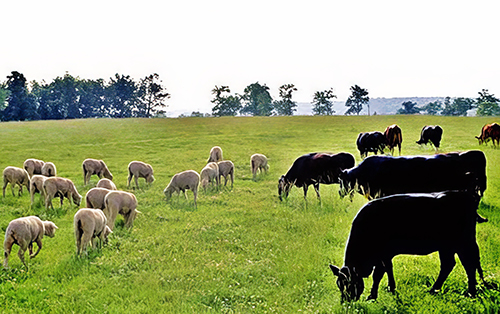
I live in Aotearoa/New Zealand where approximately half of the total land area of the country is dedicated to agricultural activity; “grazing” is a very real and active presence.
Herbivores are apt to graze; they have their heads down and munch seemingly continually and forever. Our countryside is littered with sheep, dairy cows, and beef cattle – all with their heads down and chewing.
I just learned the other day that “grazing” is not limited to herbivores.
In a human context, the habit of snacking on small amounts of food throughout the day is also known as “grazing”. What if we applied this approach to the Gospel? Might “grazing” be a way for us to approach the Gospel and the message of Jesus, ‘snack on small amounts throughout the day’?
“Blessed are the poor in spirit” – goodness, there is enough to “graze” on for a lifetime!