Three persons stand tall throughout our Advent liturgies: the prophet Isaiah, John the Baptist, and Mary, the mother of Jesus.
In our Sunday Gospel, taken from St Matthew (3:1–12), we are presented with the image and metaphor of the wilderness.
The Gospel tells us that John the Baptist was in the wilderness when he received the word of God.
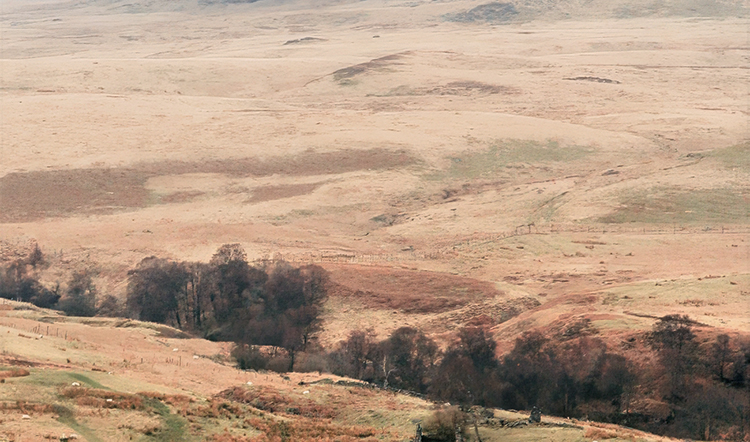
The “wilderness of John the Baptist” refers to the Judean Desert, a barren and arid region east of Jerusalem near the Jordan River and the Dead Sea.
After this encounter, John went forth proclaiming a baptism of repentance. John’s example can help us with our spiritual preparations for Christmas (cf. Matt. 3:1–12).
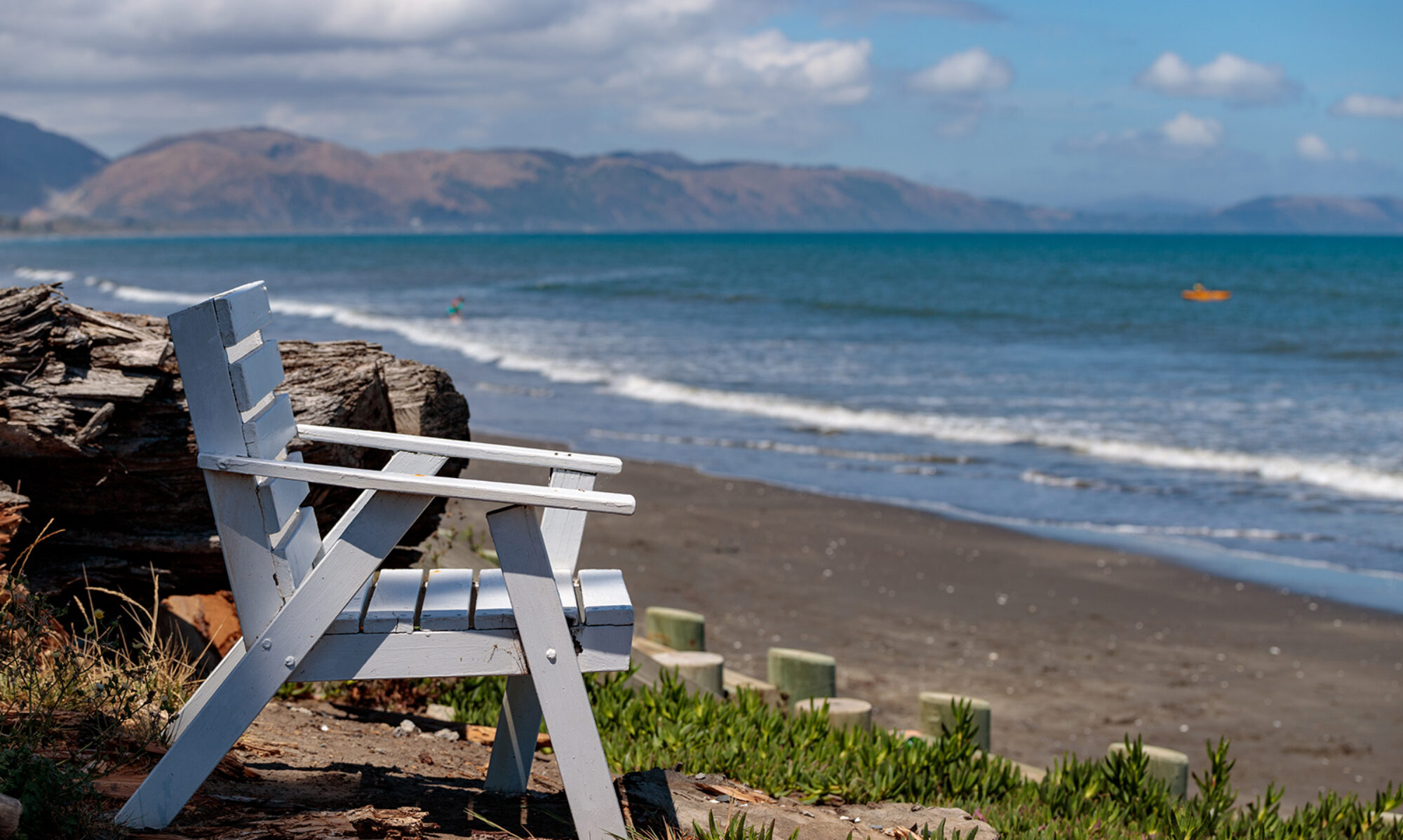
The “wilderness” is an image for being alone with God.
In the midst of the hectic weeks before Christmas, the Gospel challenges us to create our own wilderness experience, to find a way to be alone with God. In the quiet, we receive the word of God and experience the conversion of heart that makes us receptive to God’s love manifested in the Christ-child.
The practical difficulty, at times, is finding the time to experience that wilderness time.
I am reminded of an incident from my own life. I had been in ministry as a priest for some three years and discovered my daily prayer routine had slipped from daily to occasional. I spoke with an elderly priest in the community in which I was living. He had been ordained some fifty years.
I explained my predicament, looking for some gentle understanding and sympathy, of course. He looked at me kindly and said, “We never have any trouble finding time for those things that really matter to us!”
For me, I realise now, it was not so much a question of finding the time, but rekindling the desire. Once the desire was rekindled, the answer was very easy. For 48 years now, I have gone to bed half an hour earlier and wakened the following morning half an hour earlier.