My immediate arrival at the seminary, where I was to begin formation for the priesthood, did not involve any talks about God.
Neither one nor three. Neither incarnate, resurrected, nor transubstantiated.
It did not involve reading the Scriptures and having them explained — what is known as exegesis (from the Greek, literally “to lead out”: drawing the meaning out of a text).
There were morning prayer, meditation and Mass, of course. But the structure of my day was determined by a viticulturist and a vintner.
The viticulturist manages the vineyard and the grapes as they grow. The vintner is responsible for making wine from those grapes. These two did not always see eye to eye.
The viticulturist wants the grapes off the vine as soon as possible, enabling the next stage of vine management to proceed. The vintner usually prefers the grape to stay on the vine as long as possible, for the greatest accumulation of natural sugar.
(Apparently UV exposure significantly increases the Brix and pH in the grape juice. If you have no idea what that means, you may well have a vocation to ministerial priesthood.)
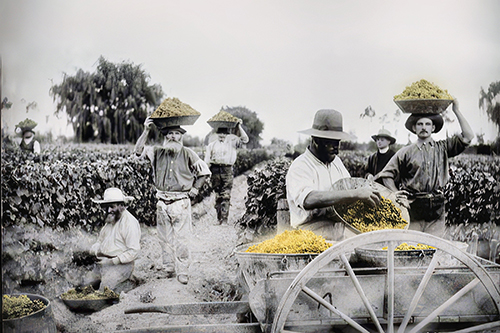
The seminary where I studied was surrounded by grapevines, and the young men in the student body were a ready source of pickers.
Days were spent in the summer heat, moving along row upon row of vines, picking into a plastic baby bath pushed beneath each one. Hour after hour, hot and sticky — Pinot Noir, Pinot Gris, Chasselas and Riesling are names that come to mind.
(And if you knew where to look: Iona and Albany Surprise — shh.)
Then, seemingly out of nowhere, came the realisation: I am learning about God in this dusty, hot, sticky vineyard. This place is my classroom; these vines are my teacher.
- Here, there is barrenness awakening to fruitfulness.
- Here, there is emptiness emerging into abundance.
- Here, God is hot, dusty and sticky.
I had been looking so hard elsewhere that I was blind to what was immediately before me.